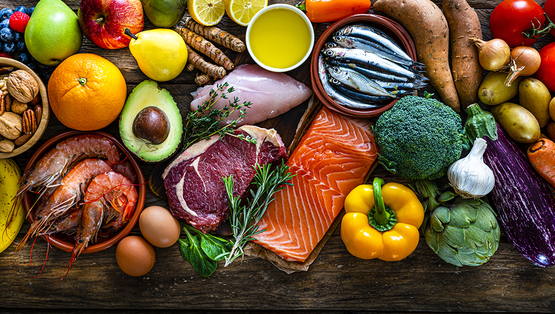
Focus on whole, nutrient-dense foods.
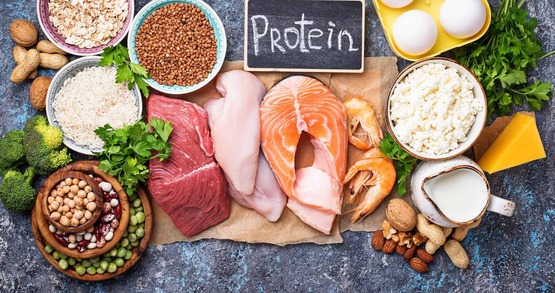
Protein
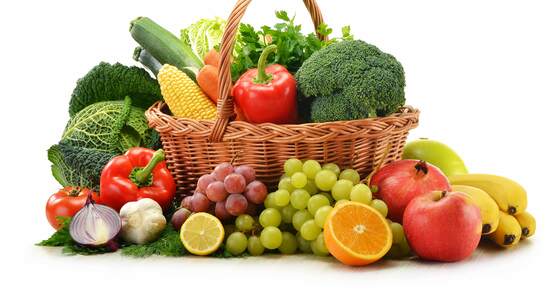
Fruits and Vegetables
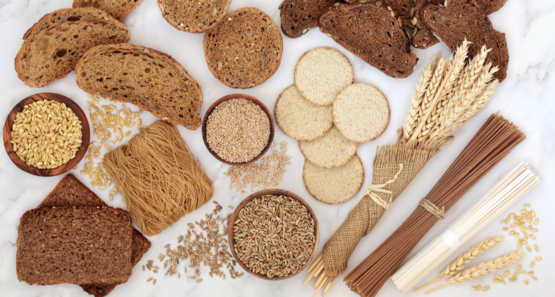
Whole Grains
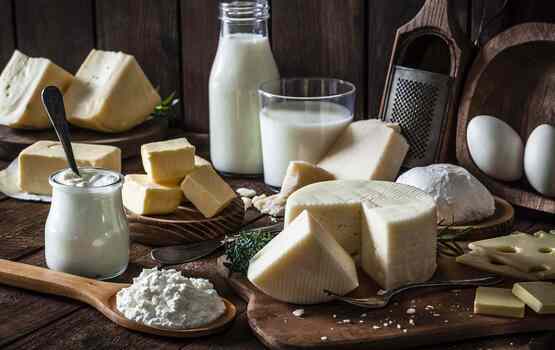
Dairy
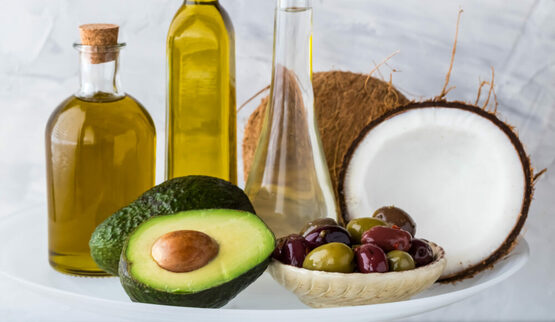
Heathy Fats
Dietary Guidelines for Americans
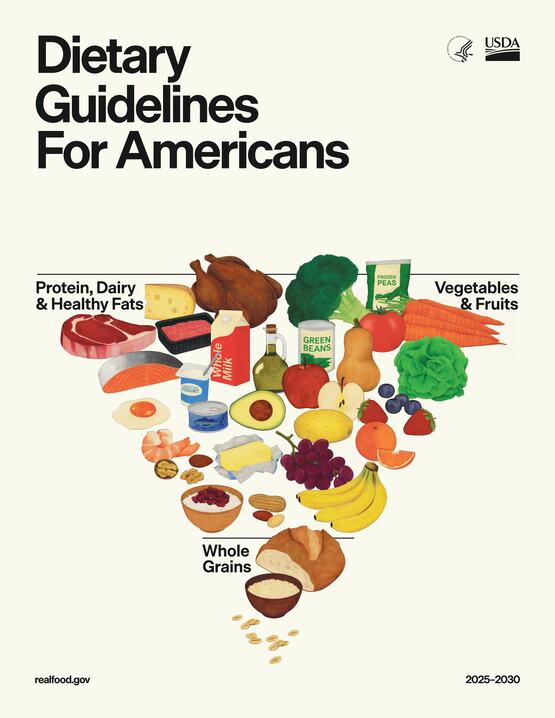
The Dietary Guidelines for Americans 2025-2030 are Out!
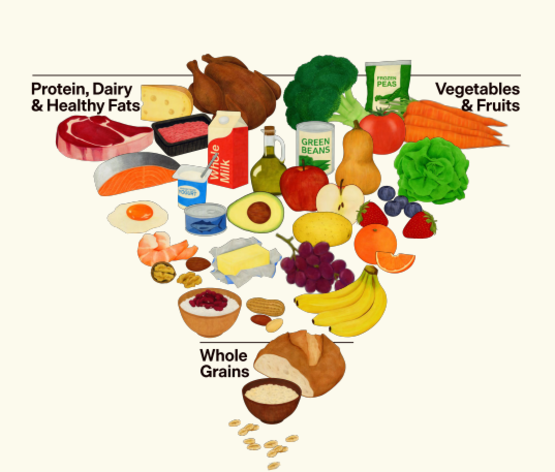
The 2025-2030 Dietary Guidelines provide science-based recommendations to help Americans build healthy eating patterns at every stage of life. A key focus of the guidelines is whole, nutrient-dense foods - those that provide essential vitamins, minerals, fiber, and other nutrients while minimizing added sugars, unhealthy fats, and excess sodium. Foods such as vegetables, fruits, whole grains, protein sources, dairy, and healthy fats are encouraged as the foundation of everyday meals. Incorporating these foods consistently supports overall health, helps maintain a healthy weight, and reduces the risk of chronic diseases like heart disease, diabetes, and certain cancers.
The guidelines also emphasize limiting highly processed foods that often contain refined carbohydrates, added sugars, chemical additives, excess sodium, and unhealthy fats. These foods can contribute to overconsumption of calories and lower overall nutrient intake. Instead, the focus is on building eating patterns that are balanced, sustainable, and satisfying, allowing for enjoyment of foods without guilt.
Key Takeaways
- Eat the Right Amount For you
- Prioritize Protein Foods at Every Meal
- Consume Dairy
- Eat Vegetables and Fruits Throughout the Day
- Incorporate Healthy Fats
- Focus on Whole Grains
- Limit Highly Processed Foods, Added Sugars, and Refined Carbohydrates
- Limit Alcoholic Beverages
Ultimately, the 2025-2030 Dietary Guidelines are not about strict rules or one-size-fits-all diets. They are about creating personalized, balanced eating patterns that are realistic, enjoyable, and sustainable. By making small, manageable changes and focusing on nutrient-rich foods, individuals and families can improve their overall health and establish lifelong healthy eating habits.
Tips for Applying the Guidelines Daily
- Start by adding one extra serving of vegetables or fruit to your meals.
- Swap refined grains like white bread for whole grains such as brown rice, oats, or whole wheat pasta.
- Include protein at every meal: eggs for breakfast, beans for lunch, and lean meats or tofu for dinner.
- Choose water as your main beverage and minimize sugary drinks.
- Plan meals that balance nutrient-dense foods while allowing for occasional treats; healthy eating can be flexible and enjoyable.
For more information, visit the new website: Eat Real Food
Contact
Alisha Thapa
Family and Community Resilience Educator
at996@cornell.edu
5185617450
Last updated February 13, 2026
Dietary Guidelines 2025-2030
Follow the link: Dietary Guidelines for Americans 2025-2030
Previous Editions
The Dietary Guidelines has been issued every five years since 1980. Visit previous editions.
The New Pyramid
History

The Federal government has provided dietary advice for more than 100 years, including the Dietary Guidelines for Americans for more than 40 years. Read more.
DRI Calculator

Dietary Reference Intakes (DRI) reference values are set by the National Academies. USDA provides a DRI Calculator for Health Professionals, to help calculate calorie and nutrient values.
Physical Activity Guidelines

HHS develops the Physical Activity Guidelines for Americans which provides evidence-based advice on how physical activity can help promote health and reduce the risk of chronic disease.